
Understanding Dry Skin: Causes, Symptoms and Everyday Care
Dry skin is one of the most common skin concerns, affecting people of all ages from babies and children to adults and the elderly. While many people experience occasional dryness during colder months or after bathing, persistent dry skin can become uncomfortable, affecting the way your skin feels, looks and functions.
At NMantra Bellevue, we believe that healthy skin begins with understanding your skin. The more you know about why your skin becomes dry, the easier it becomes to choose the right skincare routine and products that truly support your skin’s natural health.
This guide explains what dry skin is, why it happens, how to recognise it and what you can do every day to keep your skin soft, comfortable and well hydrated.

What Is Dry Skin?
Your skin is your body’s largest organ and its first line of defence against the outside world. It protects you from pollution, irritants, microbes and environmental damage while helping retain the moisture your body needs.
Dry skin occurs when the skin loses more moisture than it can retain or when it does not produce enough natural oils to maintain a healthy protective barrier. As moisture escapes from the skin, it begins to feel tight, rough and uncomfortable.
Healthy skin contains a balanced combination of water, natural lipids and protective proteins that work together to maintain hydration. When this balance is disturbed, the skin barrier becomes less effective, allowing water to escape more easily. This increased moisture loss may leave the skin feeling dry, sensitive and irritated.
Dry skin is not simply a cosmetic concern. It reflects changes in the skin’s natural barrier function and deserves proper care.
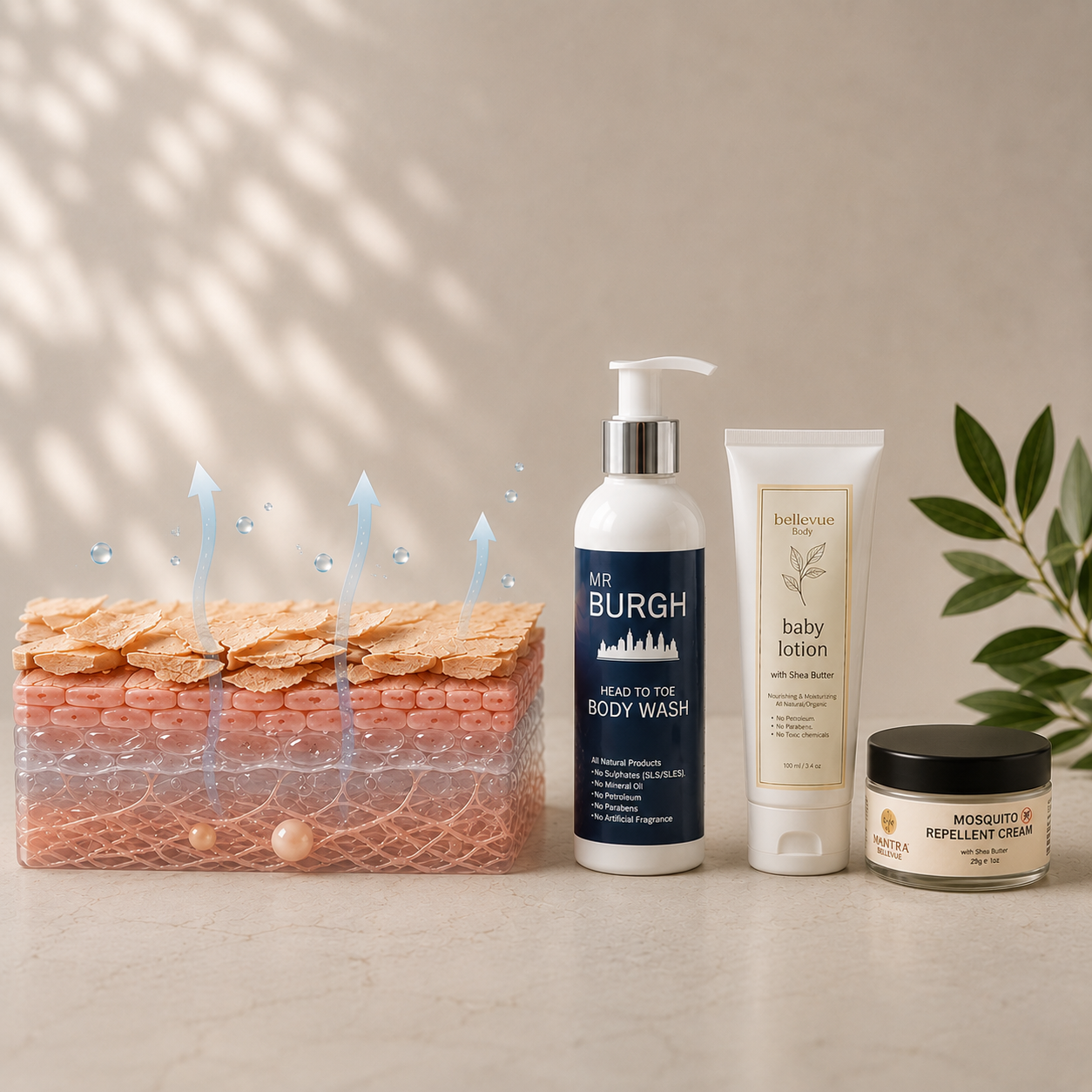
Under the Dry Skin
Healthy skin stays hydrated because of a tightly packed barrier of skin cells held together by lipids, mainly ceramides, cholesterol, and fatty acids. Together they work like mortar between bricks, sealing moisture in and irritants out.
When that lipid mortar breaks down, from harsh cleansers, weather, ageing, or conditions like eczema, water escapes through the skin faster than it should. This is called Transepidermal Water Loss (TEWL), and it’s the real mechanism behind chronically dry, tight, flaky skin.
Coating the skin with occlusive fillers can temporarily slow this water loss down. It doesn’t rebuild the mortar. It just sits on top of a barrier that’s still broken, which is why the dryness always returns.
Common Signs of Dry Skin
Dry skin affects everyone differently. Some people notice only mild tightness after bathing, while others experience persistent discomfort throughout the day.

Tightness, especially after washing or bathing

Rough or uneven skin texture

Flaking or peeling skin

Itching or irritation

Dull or tired-looking skin

Redness or sensitivity

Fine lines appearing more noticeable due to dehydration

Small cracks or fissures in severe cases
If left unmanaged, dry skin may become increasingly uncomfortable and more susceptible to irritation from everyday environmental factors.
Why Does Skin Become Dry?
Dry skin rarely has a single cause. It is usually the result of several internal and external factors working together.
Weather and Climate
Cold weather and low humidity reduce the amount of moisture in the air, allowing skin to lose water more quickly. Wind exposure can further weaken the skin's protective barrier, making dryness more noticeable.
Hot Showers and Frequent Washing
Although a hot shower may feel relaxing, prolonged exposure to hot water removes natural oils that help protect the skin. Frequent washing with harsh cleansers can have a similar effect, leaving the skin feeling tight and dry.
Ageing
As we grow older, the skin naturally produces fewer lipids and retains less moisture. This is one reason why dry skin becomes more common with age. Mature skin often requires richer moisturisers and a more consistent skincare routine to maintain comfort and hydration.
Environmental Exposure
Air conditioning, indoor heating, pollution and prolonged sun exposure can all contribute to moisture loss and weaken the skin's natural barrier over time.
Lifestyle Factors
Inadequate hydration, poor skincare habits and the use of unsuitable skincare products may all contribute to dryness.
Medical Conditions
Certain skin conditions, including eczema and other dermatological disorders, can affect the skin barrier and increase dryness. If your skin is persistently dry, itchy or inflamed, consult a qualified healthcare professional for appropriate advice.
Different Types of Dry Skin
Not all dry skin is the same. Understanding your skin type helps you choose products that provide the right level of care.
Normal to Dry Skin
The skin occasionally feels tight after cleansing but remains generally comfortable throughout the day. A lightweight daily moisturiser is often sufficient to maintain hydration.
Very Dry Skin
Very dry skin often feels rough, flaky and uncomfortable. Richer creams and more frequent moisturising may be needed to restore comfort and improve moisture retention.
Sensitive Dry Skin
Dry skin may also become sensitive, reacting more easily to environmental changes or unsuitable skincare products. Gentle formulations developed for sensitive skin are often the most appropriate choice.
Baby Skin
Very dry skin often feels rough, flaky and uncomfortable. Richer creams and more frequent moisturising may be needed to restore comfort and improve moisture retention.
Mature Skin
As skin ages, natural moisture levels decline and the protective barrier becomes less efficient. Regular moisturizing helps maintain softness, comfort and elasticity.
When Dry Skin Becomes Very Dry
Dry skin exists on a spectrum. For some people, dryness is occasional and seasonal. For others, it becomes persistent and significantly affects daily comfort.
Very dry skin may present with:
- Pronounced roughness
- Visible scaling
- Tightness throughout the day
- Increased sensitivity
- Persistent itching
- Dry patches on multiple areas of the body
When Dry Skin Becomes Severe
In some individuals, dryness becomes extreme and may be associated with conditions such as eczema or significantly compromised skin barrier function.
Symptoms may include:
- Cracked skin
- Intense itching
- Redness
- Skin irritation
- Painful fissures
- Interrupted sleep due to discomfort
The Importance of the Skin Barrier
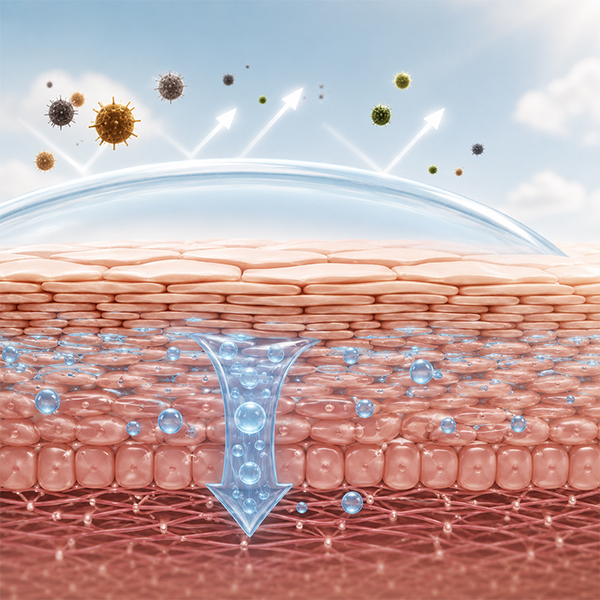
The outermost layer of your skin, often called the skin barrier, plays an essential role in maintaining healthy skin. Think of it as your skin’s natural shield.
It helps keep moisture inside the skin while protecting against external irritants, pollutants and environmental stress. When this barrier becomes weakened, water escapes more easily, leading to dryness, tightness and discomfort.
Supporting the skin barrier is one of the most important steps in managing dry skin.
Daily Habits That Help Dry Skin
Small changes to your daily routine can make a significant difference over time.
Moisturise Regularly
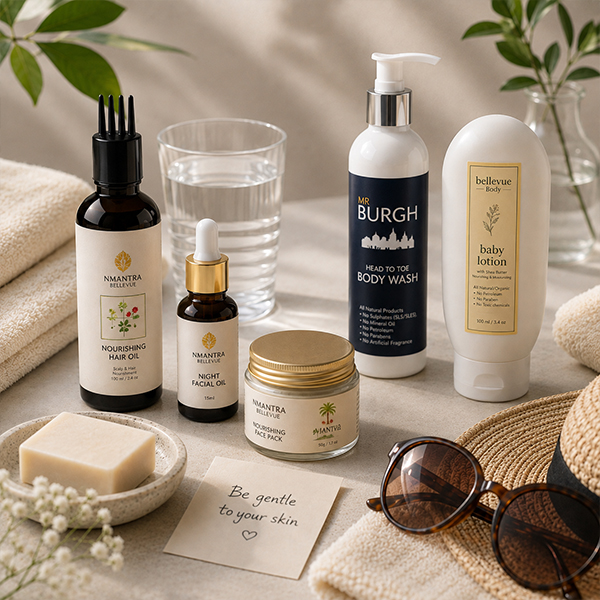
Apply a moisturiser every day, especially after bathing while the skin is still slightly damp. This helps lock moisture into the skin and supports its natural protective barrier.
Use Gentle Cleansers
Choose mild cleansers that cleanse without stripping away the skin's natural oils.
Avoid Excessively Hot Water
Warm water is generally kinder to the skin than very hot water.
Pat, Don't Rub
After bathing, gently pat your skin dry with a soft towel instead of rubbing vigorously.
Stay Consistent
Healthy skin develops through regular care rather than occasional treatment. A consistent daily routine often provides better results than using many different products inconsistently.
Choosing the Right Moisturiser
Not every moisturiser works in the same way.
- Maintain skin hydration
- Support the skin's natural barrier
- Improve skin comfort
- Leave the skin feeling soft and smooth
- Provide long-lasting moisturisation
People with mild dryness may prefer lighter lotions, while very dry skin often benefits from richer creams that provide more intensive nourishment.
When Should You Seek Professional Advice?
Occasional dryness is common and usually improves with appropriate skincare. However, you should consider consulting a healthcare professional if you experience:
- Persistent itching
- Cracked or bleeding skin
- Severe redness or inflammation
- Painful skin fissures
- Symptoms that interfere with daily life
- Dry skin that does not improve despite regular moisturising
Early guidance can help identify underlying causes and ensure appropriate care.
Common Myths About Dry Skin
Myth: Drinking More Water Alone Will Cure Dry Skin
Staying hydrated is important for overall health, but dry skin is primarily related to the condition of the skin barrier. Daily moisturising remains an essential part of skincare.
Myth: Oily Skin Cannot Be Dry
Skin can produce oil while still lacking adequate water. It is possible for skin to be both oily and dehydrated.
Myth: More Products Mean Better Results
A simple, consistent skincare routine is often more effective than using numerous products unnecessarily.
Myth: Dry Skin Only Happens During Winter
Although cold weather can worsen dryness, many people experience dry skin throughout the year due to indoor environments, ageing, skincare habits and other factors.

Caring for Dry Skin Every Day
Healthy skin is not achieved overnight. It is the result of consistent care, thoughtful formulations and understanding what your skin truly needs.
At NMantra Bellevue, we believe effective skincare should combine scientific understanding with carefully selected natural ingredients to support the skin’s natural barrier and maintain long-lasting hydration.
Whether your skin is mildly dry, very dry or simply needs extra care during seasonal changes, a gentle skincare routine and regular moisturising can help your skin remain soft, comfortable and healthy.
Every day is an opportunity to care for your skin-and every small step contributes to healthier skin over time.